En
EnThe U.S. Trade Representative has issued 3,280 negative decisions regarding requests for exemptions from list 3 tariffs on imports from China. The decisions cover 241 companies that import consumer and industrial goods which became subject to 10% duties in Sept. 2018 and 25% from May 2019.
The rejections equate to 13% of the outstanding requests and brings the average “success” rate to just 3.6%. A further 21,640 decisions are still outstanding.
Just over half, or 1,681 of the rejected petitions were from one company, AEP Holdings, that had made a bulk request for all its imports of electrical products.
As outlined in Panjiva’s Dec. 18 research, the low rate of approvals reflects the large proportion of consumer goods – which may be assembled outside of China – in the list 3 group.

Source: Panjiva
Among other companies that had a significant number of failed filings were those requested by Qurate’s Cinmar and QVC subsidiaries. Together they had 170 filings rejected across a wide-range of consumer products including rugs, lightning, vacuum cleaners, and furniture.
Panjiva’s data shows the firm appears to have been pressing on with imports regardless of the tariff outcome. Seaborne imports associated with the firm climbed 29.9% higher year over year in the three months to Nov. 30. Shipments from China jumped 95.0% higher to represent 73.6% of the total. Alternative sourcing through Hong Kong, Vietnam appears to have been cut back.

Source: Panjiva
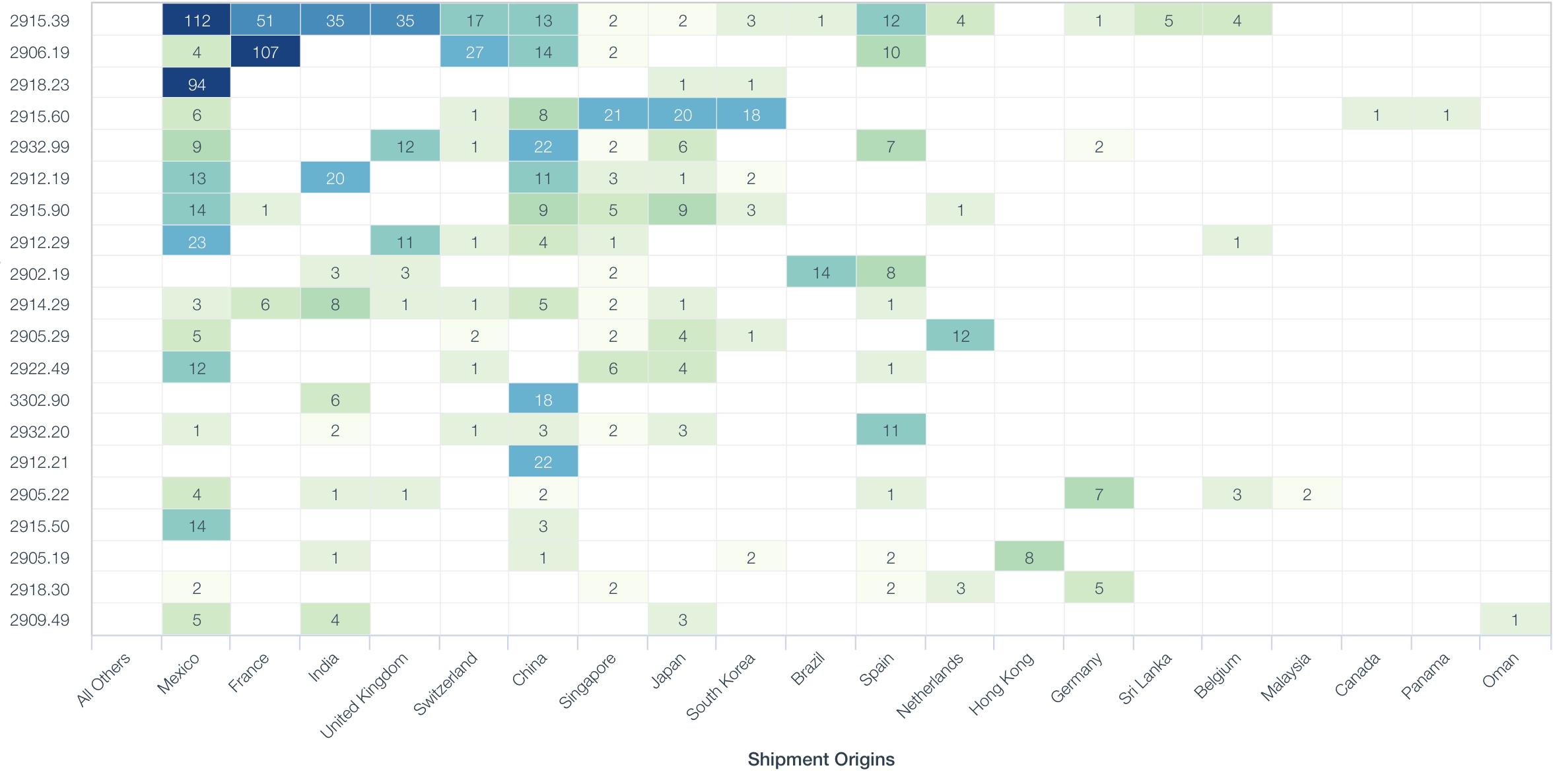
Fragrance maker Givaudan had a more modest 12 rejections for sourcing of basic chemicals as well as a variety of ketones. Imports associated with the firm were less exposed to China at just 8.3% of shipments.
Among the key chemicals where it requested exemptions, there are also broad equivalents available from Mexico and France, potentially explaining the rejections. Yet, the precision required in chemicals manufacturing may yet stymie Givaudan’s ability to switch suppliers.
Source: Panjiva